Where Tradition Meets Sustainability
A journey from academia to authentic eco-hospitality, rooted in Assamese heritage and guided by mindful living
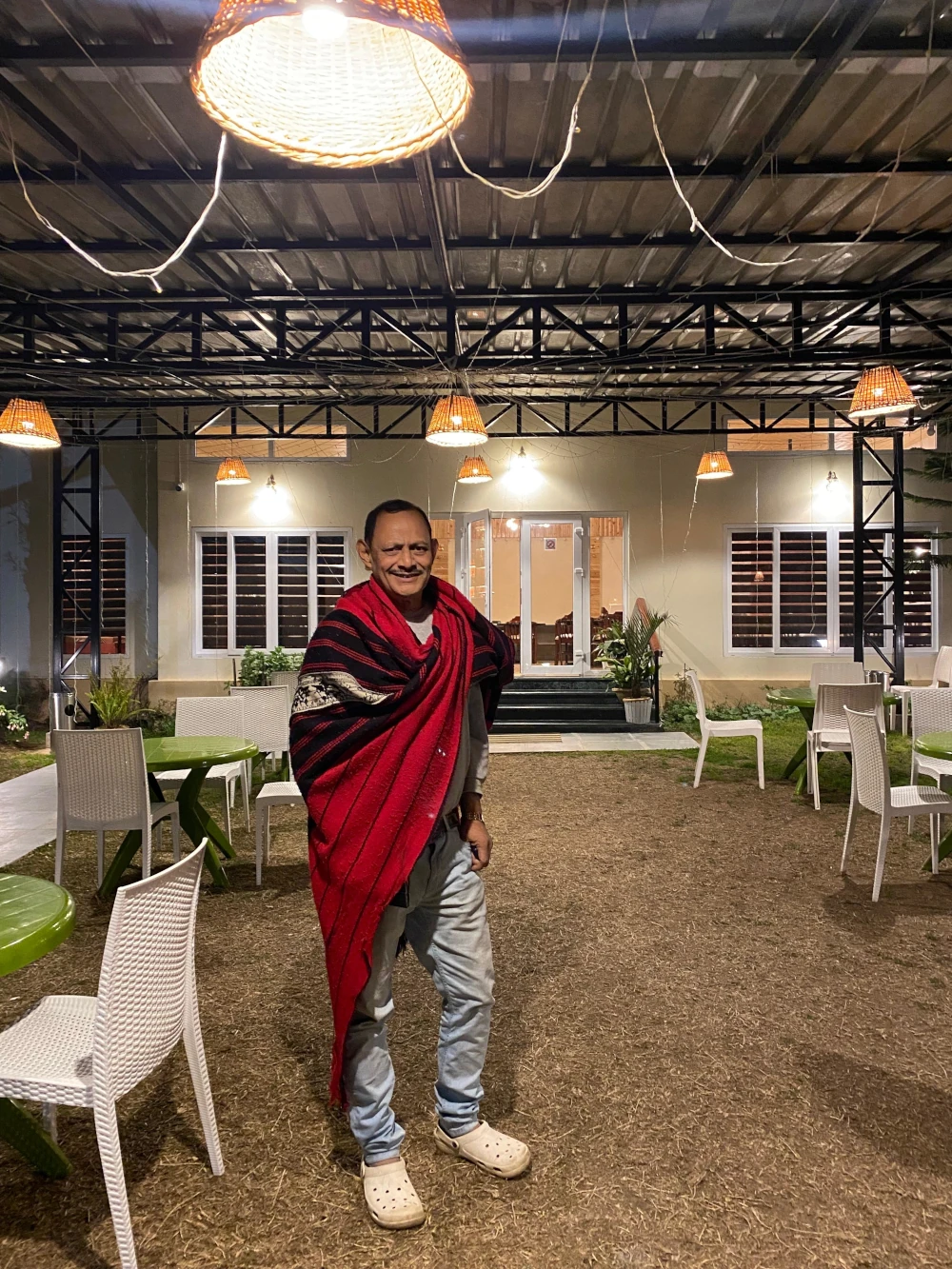
Dr. Debotpal Goswami
Retired Economist & Sustainable Living Advocate
Dr. Debotpal Goswami is a retired economist whose distinguished career spans decades of teaching, research, and policy consultation with various government bodies and civil society organizations across India. A long-standing participant in national economic forums, he brings profound insight into development, sustainability, and social policy, perspectives that shape the foundation of Dodo's Bamboo Resort.
Rooted in a deep affection for nature and his homeland of Assam, Dr. Goswami's post-retirement journey reflects his lifelong commitment to sustainable living and cultural revival. The resort is the embodiment of his vision: an effort to blend eco-friendly architecture with the soulful authenticity of Assamese culture. By reviving the traditional use of bamboo, he seeks to honour its timeless significance while promoting grassroots sustainability.
"Guided by simplicity, rational thinking, and respect for tradition, I envision this resort as a living tribute to a cultural legacy that is rapidly fading, while nurturing harmony between nature and livelihood."
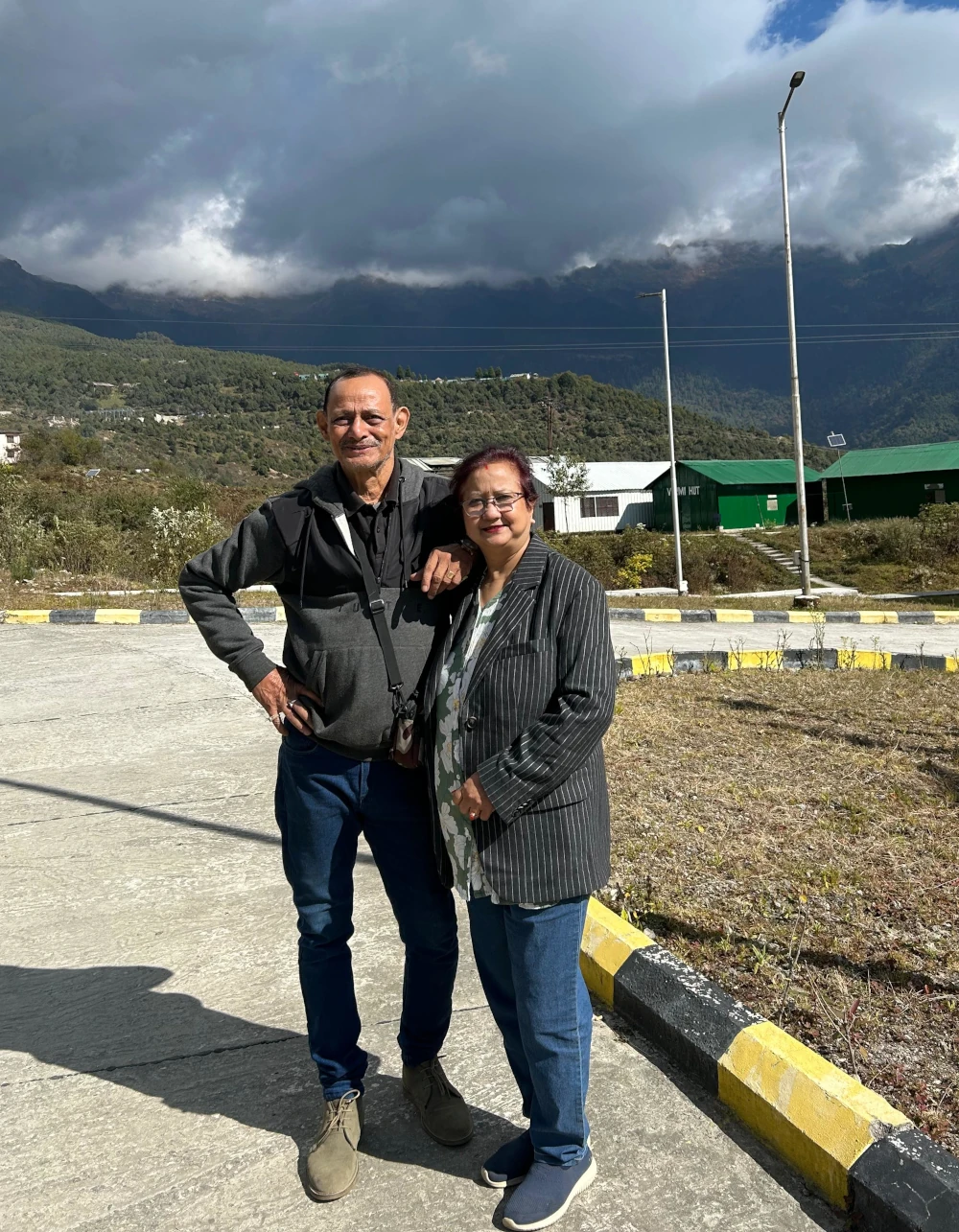
Mrs. Prativa Goswami Devi
Educator, Music Enthusiast & Nature Lover
Mrs. Prativa Goswami Devi has dedicated a significant part of her life to teaching economics, nurturing young minds with clarity, compassion, and curiosity. Beyond academics, she is a person of artistic grace, a trained Hawaiian guitarist and passionate music devotee whose melodies often echo through the tranquil spaces of Dodo's Bamboo Resort.
An ardent gardener and lifelong lover of plants, Mrs. Goswami embodies the spirit of nurturing that flows through every corner of the resort. Her care for both people and nature continues to inspire the resort's culture of mindfulness, beauty, and belonging.
From Academia to Authentic Hospitality
Dodo's Bamboo Resort grew out of a very personal search for a slower and more grounded way of living. After decades in academia and public work, there was a desire to return to the quiet rhythms of Assam, to its rivers, fields and village life, and to create a space where others could experience that same calm. What began as a simple idea for a few bamboo cottages gradually evolved into a retreat that brings together comfort, cultural rootedness and respect for the land. The vision for Dodo's is clear: to offer guests an authentic stay that feels close to nature, without unnecessary excess.
Simple Living
Return to quiet rhythms and grounded experiences
Thoughtful Design
Every choice guided by warmth and honesty
Cultural Heritage
Celebrating Assamese traditions and landscape
Every choice, including location, materials and scale, is guided by the belief that hospitality should be warm, thoughtful and honest rather than extravagant. The resort is meant to feel like an extended home in the countryside where people can pause, reconnect and leave with a deeper appreciation for the landscape and heritage of Assam.
A Bamboo Homestay Rooted in Simplicity & Warmth
Dodo's Bamboo Resort is a thoughtfully designed bamboo homestay that reflects the simplicity and warmth of rural Assamese living. Set amidst greenery in Bura Mayong (near Pobitora Wildlife Sanctuary), the property follows a low-impact ethos: fewer motorised movements, naturally ventilated structures and minimal use of synthetic materials help keep its carbon footprint gentle. The space also offers seasonal sightings of migratory birds.
The spaces are crafted to feel more like a lived-in home than a commercial hotel, with handcrafted elements, open-to-sky views and plenty of quiet corners for reading, reflection or conversation. Meals are largely sourced from nearby farms and local markets, offering an organic, farm-to-fork experience that highlights seasonal produce and traditional recipes.
Handcrafted Spaces
Lived-in home aesthetic with open-to-sky views
Farm-to-Fork
Organic meals from nearby farms and local markets
Low-Impact Living
Natural ventilation, minimal synthetics
Wildlife Sanctuary
Seasonal migratory bird sightings
Embrace Slow Living
At night, the sounds of insects, birds and distant village life replace city traffic, allowing guests to experience what slow, sustainable living can feel like in practice. The resort encourages mindful consumption by prioritising durable, reusable materials over disposable comforts and by gently steering guests away from the culture of constant upgrade and planned obsolescence.
What We Stand for
Four core principles that guide every decision we make
Sustainability
Every decision we make prioritizes environmental responsibility. From bamboo construction to solar energy, we're committed to minimizing our footprint while maximizing positive impact.
Authenticity
We believe in genuine connections with our guests, our community, and our heritage. No pretense, just honest hospitality rooted in Assamese traditions and warmth.
Community
Supporting local livelihoods isn't just good practice—it's our foundation. We work with local artisans, farmers, and families to create shared prosperity.
Mindfulness
Every aspect of your stay is designed for intentional, conscious living. From our spaces to our services, we encourage presence, reflection, and meaningful connection.
Sustainability as a Guiding Principle
From the very beginning, sustainability was not a marketing idea but a guiding principle. Bamboo was chosen as the primary building material because it is abundant in Assam, grows quickly and has always been part of local architecture and everyday life.
Building with bamboo allows the resort to keep its environmental footprint lighter while celebrating a craft and cultural tradition that deserves to be preserved. This isn't just about being "green"—it's about honoring the wisdom of generations who lived in harmony with their environment.
Our Commitment
Every beam of bamboo, every solar panel, every composting system represents our commitment to a future where tourism doesn't come at the expense of the environment.
Our Sustainability Practices
Concrete actions we take every day to minimize impact and maximize positive change
Bamboo Construction
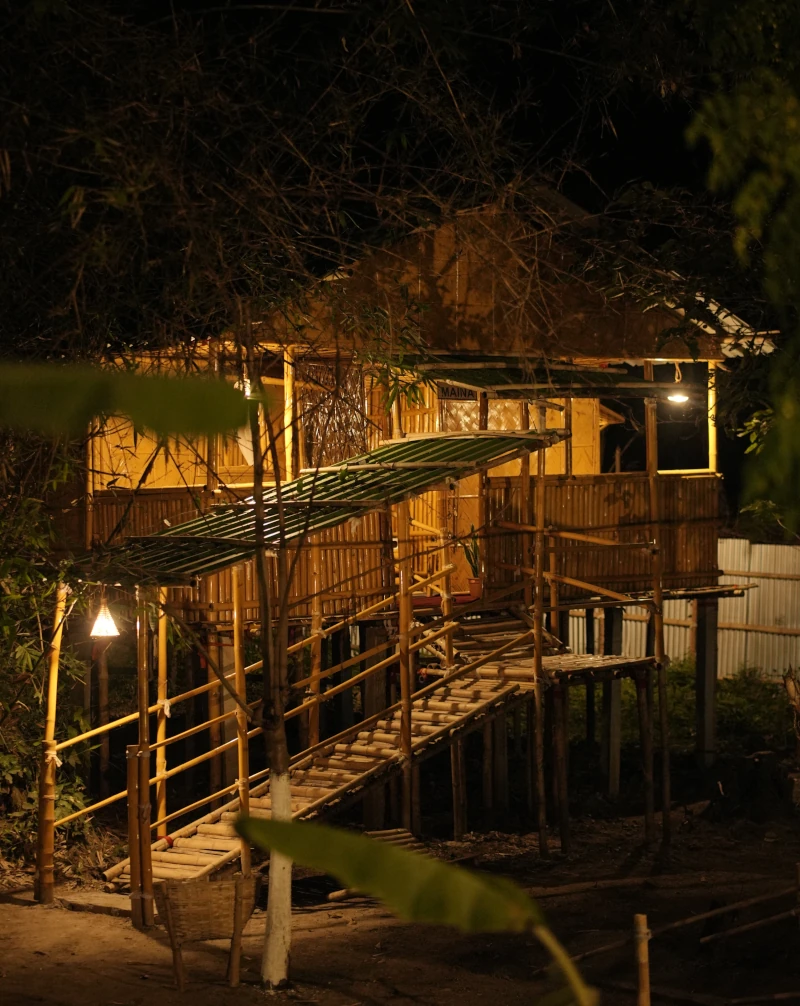
Our traditional Saang Ghor cottages use locally sourced bamboo—a rapidly renewable resource that's been central to Assamese architecture for centuries.
Solar Energy
Harnessing Assam's abundant sunshine, our solar installations provide clean energy, reducing our carbon footprint significantly.
Waste Management
Comprehensive composting and recycling programs ensure minimal waste goes to landfills. Organic waste becomes nutrient-rich compost for our gardens.
Organic Farming
Our on-site organic farm supplies fresh vegetables and herbs. We partner with local farmers for authentic Assamese ingredients.
Wildlife Conservation
We actively protect local habitats and participate in conservation efforts, creating safe corridors for native species.
Carbon Offset
Through tree planting and sustainable practices, we work towards carbon neutrality, contributing to a healthier planet.
Mayong: Where Folklore Meets Nature
Mayong is a riverside village in Assam known for its mystic legacy, living folklore and deeply rooted Assamese way of life, where traditional practices, slow living and a close relationship with land, plants and animals still quietly shape everyday rhythms.
The Mystic Village
The place is often known in cultural memory as the "Land of the Occult" or "Black Magic Capital" of India, with stories of sorcery, healing mantras and tantric practices layered into local folklore. Today, the area is far more peaceful than its legends suggest, with most people engaged in farming, fishing, small-scale trade and crafts, and with magic surviving more as heritage, storytelling and selective healing practices than active fear.
Old shrines, river ghats and fields sit alongside homesteads where families still follow traditional rhythms of work and worship. Major tourist attractions such as the Pobitora Wildlife Sanctuary, Kasoxila Turtle Watching Spot and others are located nearby where we can help conduct guided tours.
Mystic Legacy
Known as the 'Land of the Occult' with rich folklore
Pobitora Wildlife
Famous sanctuary nearby for guided tours
Traditional Living
Farming, fishing, crafts shape daily rhythms
Sustainable Culture
Bamboo architecture, organic food, slow consumption
Living Sustainability
Sustainability here is not a slogan but a way of life shaped by necessity and culture: fewer motor vehicles, shared transport, traditional bamboo architecture, home gardens, organic and locally grown food, slow consumption patterns—all contribute to a balanced and harmonious ecosystem.